The Evolution of Cultural Festivals Over the Years
Cultural festivals have evolved significantly over the years, reflecting changes in society, technology, and community engagement. This article explores the historical context and current trends surrounding these vibrant celebrations, offering insights into their impact on local communities and the cultural landscape of the U.S.
Understanding the Historical Context
Cultural festivals have been a part of human civilization for centuries. Historically, these gatherings served as a means of expressing collective identity and celebrating shared traditions. According to research from the American Folklife Center, festivals often originated from agricultural cycles and religious observances, connecting communities with their heritage.
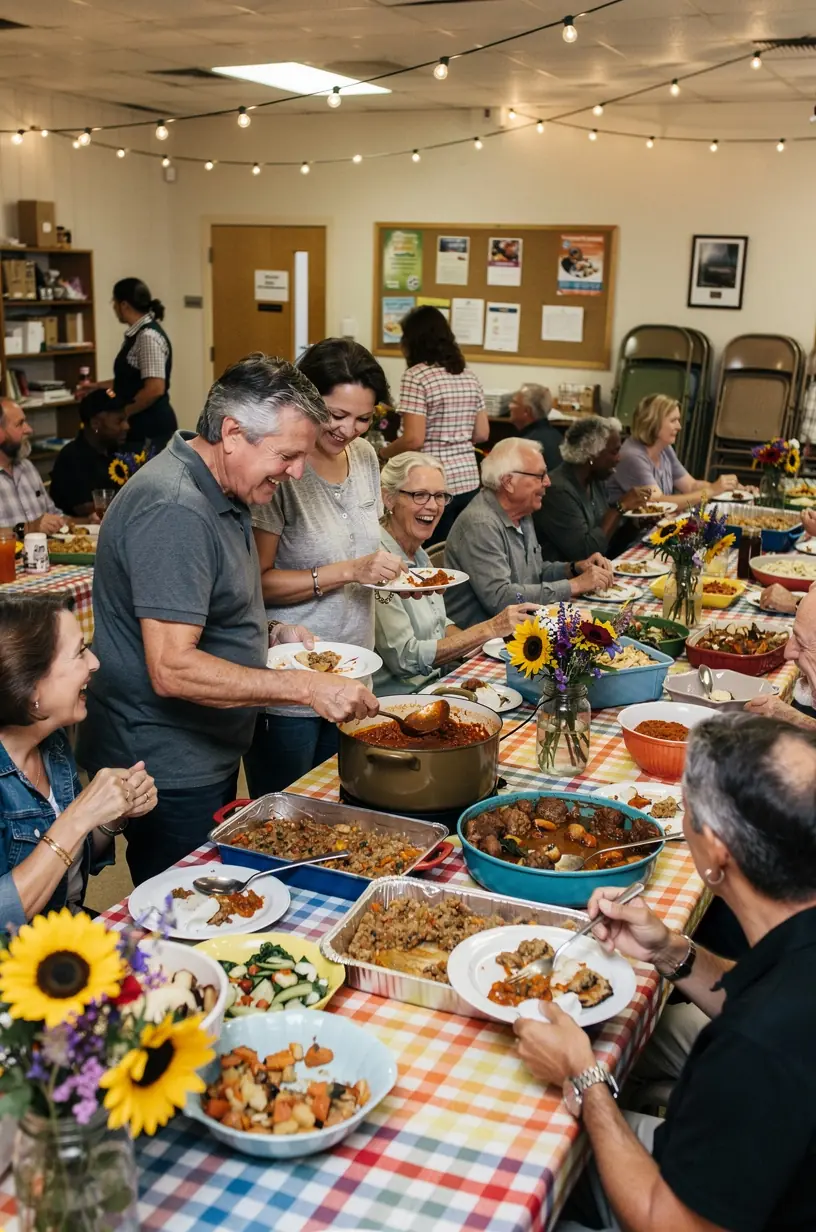
"Festivals are a vital way for communities to come together, share their stories, and preserve cultural traditions." - Industry Expert
The Modern Transformation of Festivals
In recent decades, cultural festivals in the U.S. have undergone a transformation driven by various factors, including globalization, technological advancements, and changing demographics. Studies show that these festivals now often feature diverse cultural representations, reflecting the multicultural fabric of American society.
Incorporating Technology
Today, many festivals incorporate technology to enhance attendee experiences. For example, live streaming performances and using social media for promotion have become standard practices. This works because it allows festivals to reach broader audiences, often resulting in increased attendance and engagement.
Community Engagement
Modern cultural festivals typically focus on community engagement, with local artists and vendors playing a significant role. Many festivals actively seek to involve the community in their planning processes, which can help foster a sense of ownership and pride among residents. Research indicates that festivals can lead to improved community cohesion and increased local economic activity.
Challenges and Considerations
While the evolution of cultural festivals has brought about many benefits, it’s essential to acknowledge some challenges. Organizing a successful festival requires considerable time and effort, typically involving months of planning and coordination. It's important for organizers to understand that:
- Attracting diverse participants requires ongoing outreach efforts.
- Many festivals face logistical challenges, including funding and permits.
- Volunteer engagement is crucial, yet it often requires dedicated recruitment and training efforts.
Conclusion
The evolution of cultural festivals reflects broader societal changes and highlights the importance of community identity and engagement. As these festivals continue to grow and adapt, they remain a vital component of local culture. By understanding the historical context and current trends, we can appreciate their significance and contribute to their future success. It’s important for community members and organizers to work collaboratively to ensure these vibrant celebrations continue to thrive.