Understanding Local History Through Cultural Events
Cultural events are more than just entertainment; they serve as a vital link to understanding local history, especially for those aged 40-60. Engaging in these activities can foster a deeper appreciation of community heritage and personal identity.
The Importance of Cultural Events
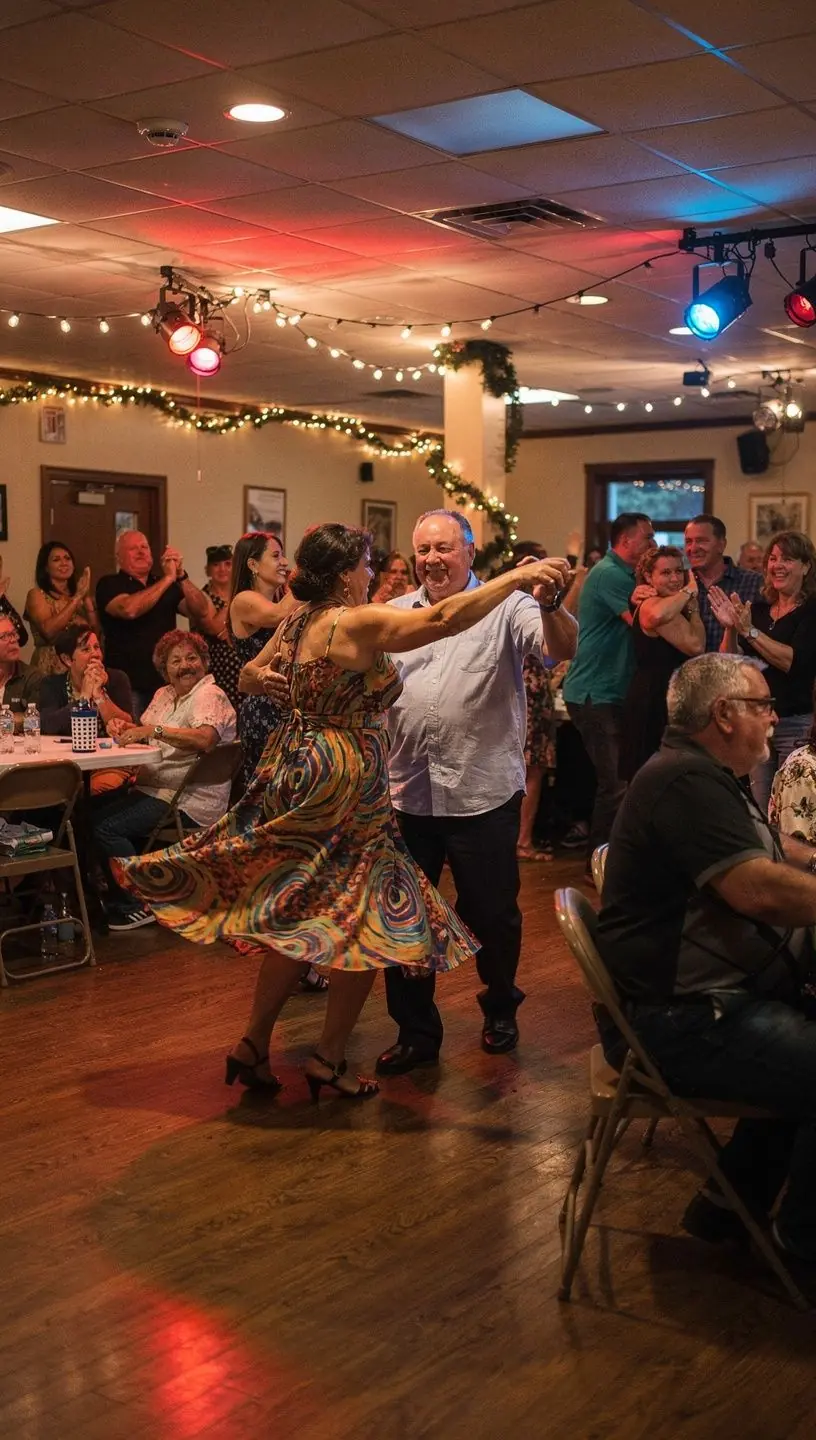
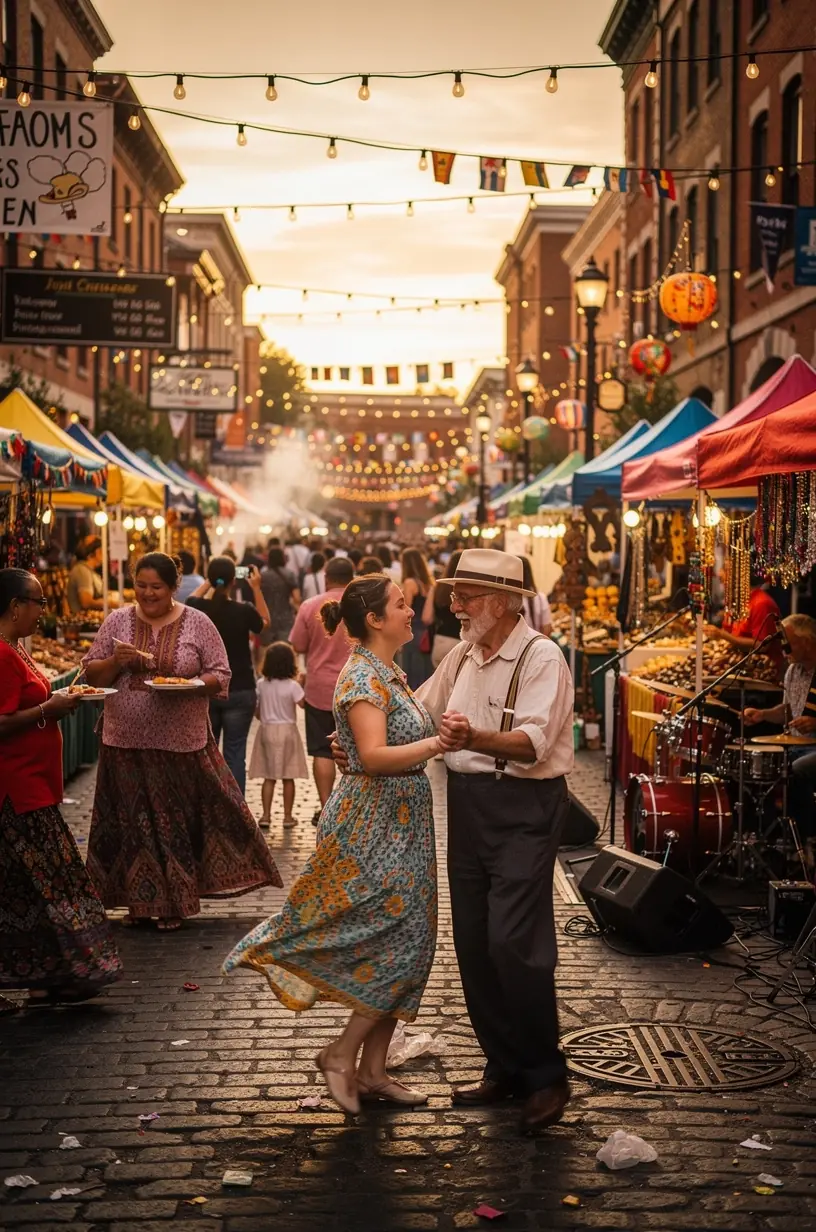
According to research conducted by the National Endowment for the Arts, participation in cultural events often leads to a greater sense of community and belonging. Many users report that these experiences enhance their understanding of local heritage and traditions.
"Cultural events provide an opportunity to experience history firsthand and connect with the community on a deeper level." - Local historian
How Cultural Events Foster Historical Understanding
Engaging in local cultural events typically involves several key elements that contribute to historical understanding:
- Interactive Experiences: Many events offer workshops or demonstrations that allow participants to engage actively with history. This hands-on approach can enhance recall and understanding.
- Storytelling: Local storytellers and historians often share narratives that highlight the rich tapestry of community history. This method is widely recognized as an effective way to make history relatable.
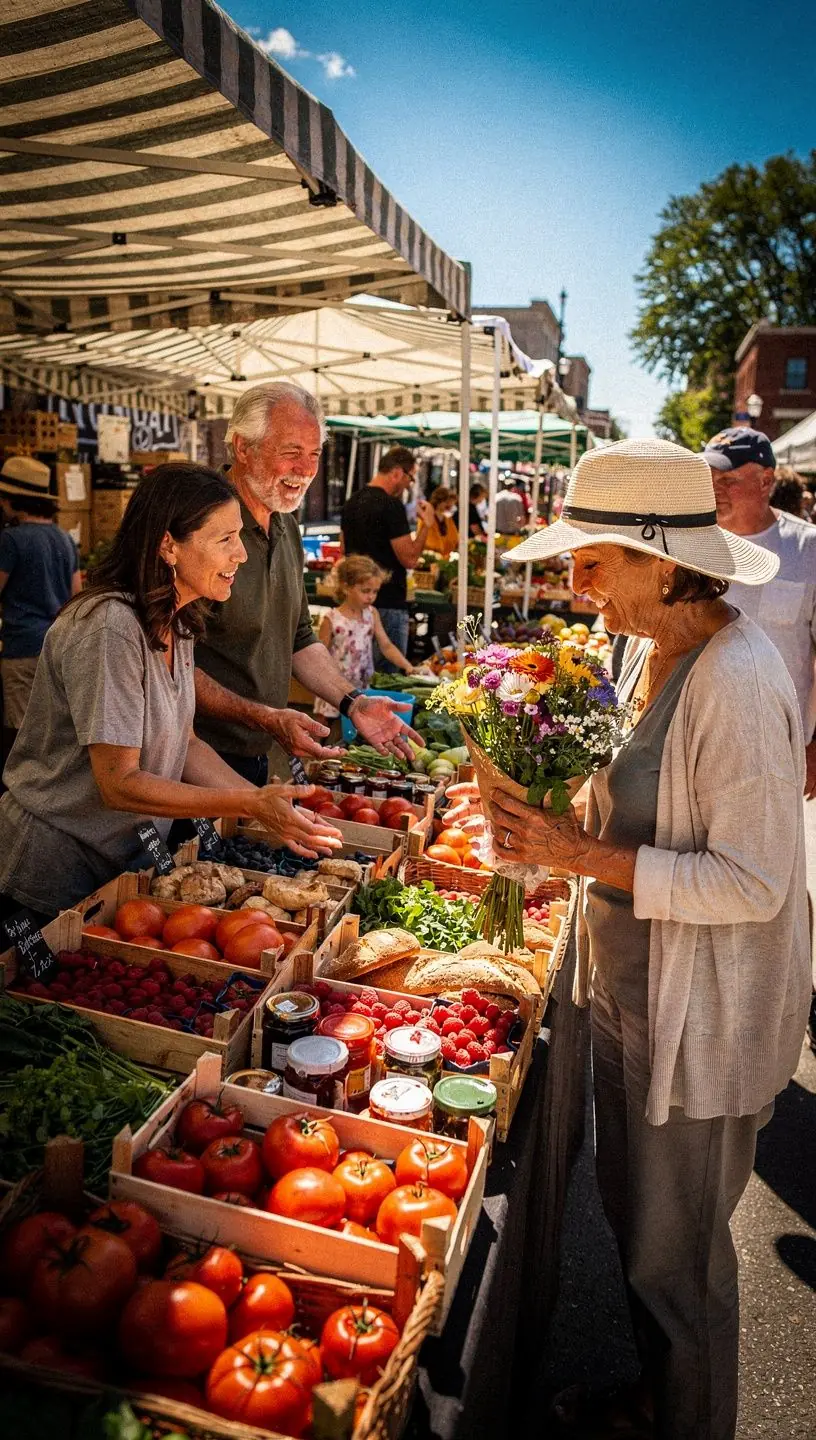
- Community Engagement: These events often bring together diverse groups, fostering conversations that can lead to a broader perspective on local history. Many experts recommend community dialogues as a tool for uncovering untold stories.
Practical Applications
To truly benefit from cultural events, consider the following practical steps:
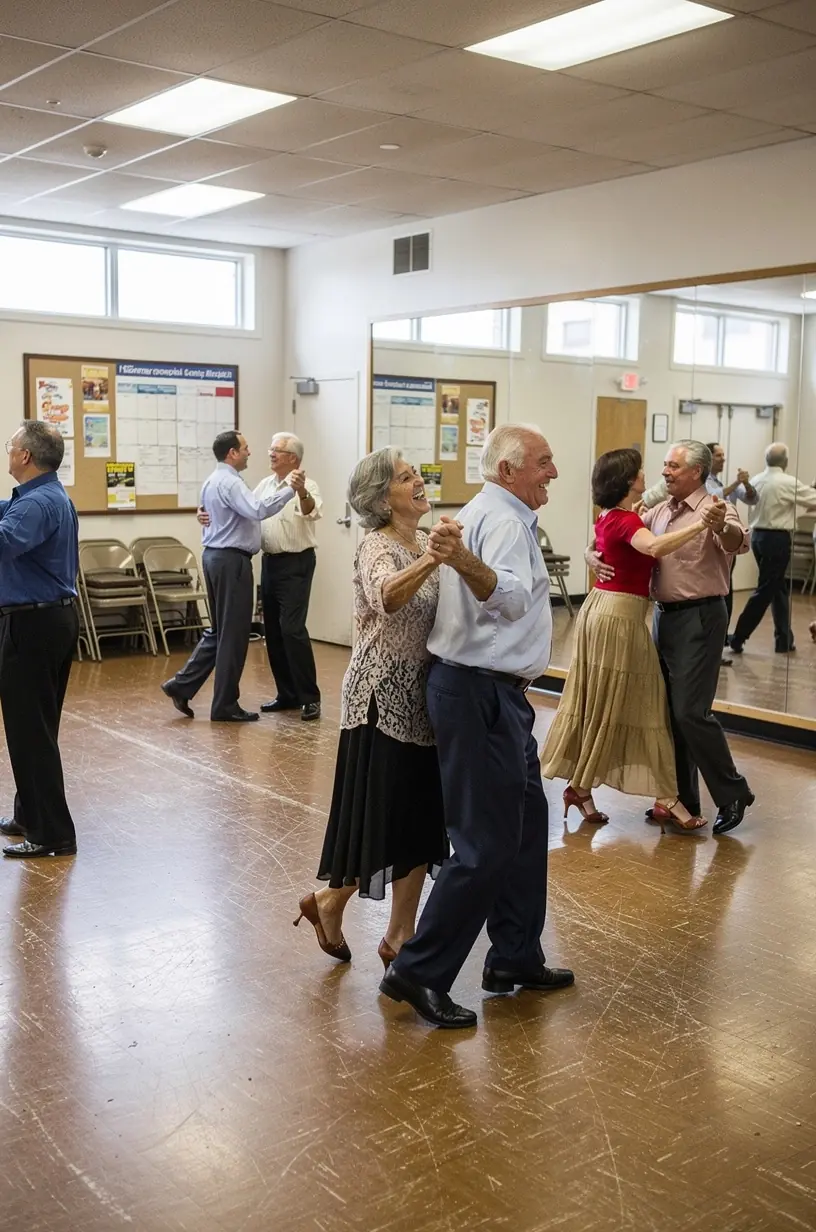
- Attend Regularly: Make a commitment to attend local cultural events. This typically requires a time investment, but many users report that regular attendance leads to a richer understanding of local history and traditions.
- Participate Actively: Engage in discussions and activities. Research indicates that active participation can significantly enhance personal connection to the material presented.
- Document Your Experiences: Keeping a journal of events you attend can help you reflect on what you’ve learned. This practice can clarify your thoughts and deepen your connection to local history.
Conclusion
Cultural events are a gateway to understanding and appreciating local history. By actively engaging in these activities, individuals aged 40-60 can foster a stronger connection to their community's past. Results typically become evident within several months of regular participation, as one begins to see the threads of history woven into the fabric of everyday life. Embracing these events not only enriches personal understanding but also strengthens community bonds.