Exploring the Benefits of Volunteering in Your Area
Volunteering can provide numerous benefits to individuals and communities alike. In this article, we will explore how volunteering can enhance your life, improve your community, and foster social connections, particularly for those aged 40-60.
The Positive Impacts of Volunteering
Engaging in volunteer work has been shown to have a positive impact on mental and physical health. According to studies conducted by the Corporation for National and Community Service, individuals who volunteer typically report higher levels of life satisfaction and lower levels of depression.
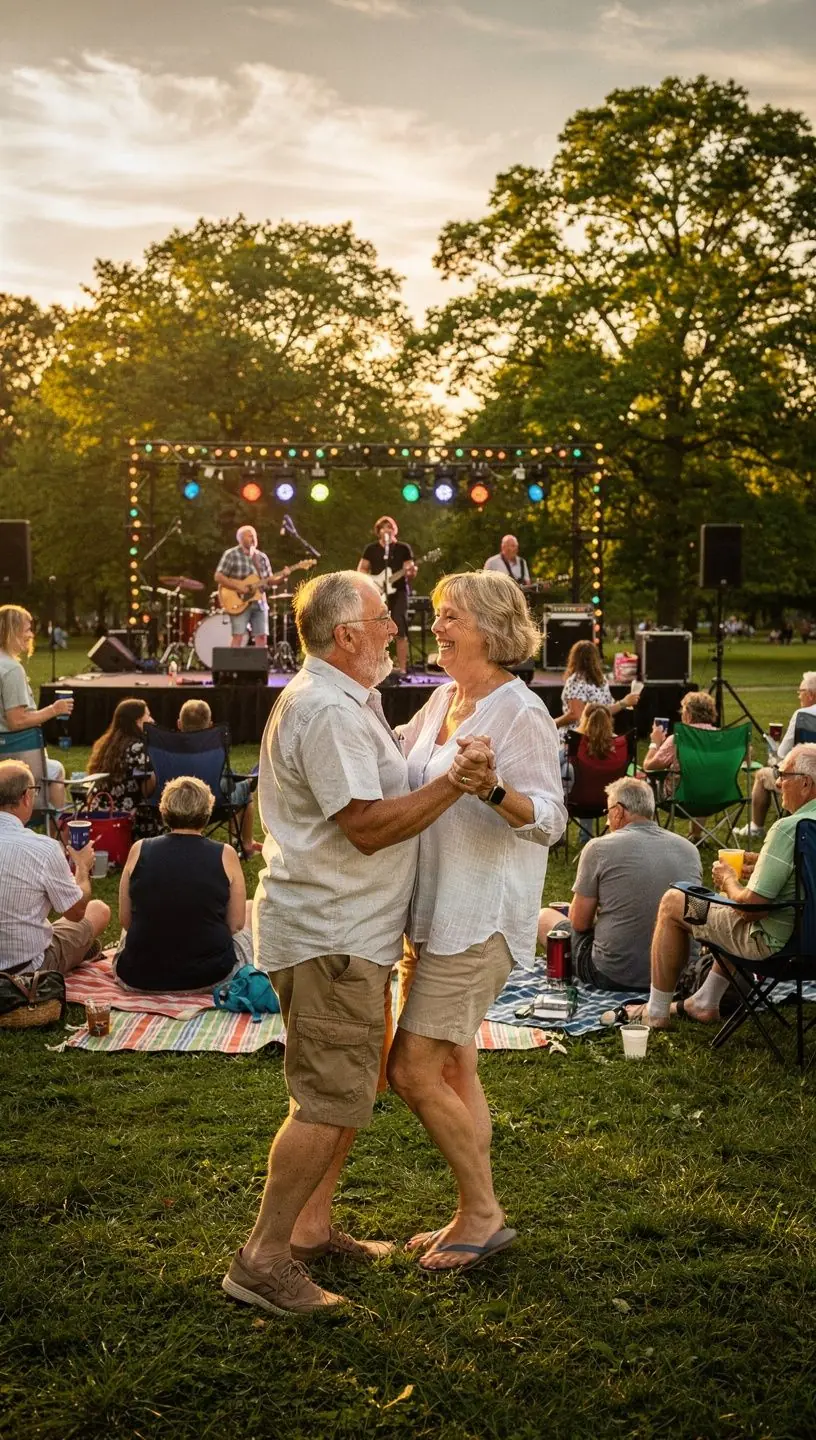
"Volunteering not only benefits the recipients of help but also significantly enhances the well-being of the volunteers themselves." - Research from the National Institute of Health
Building Social Connections
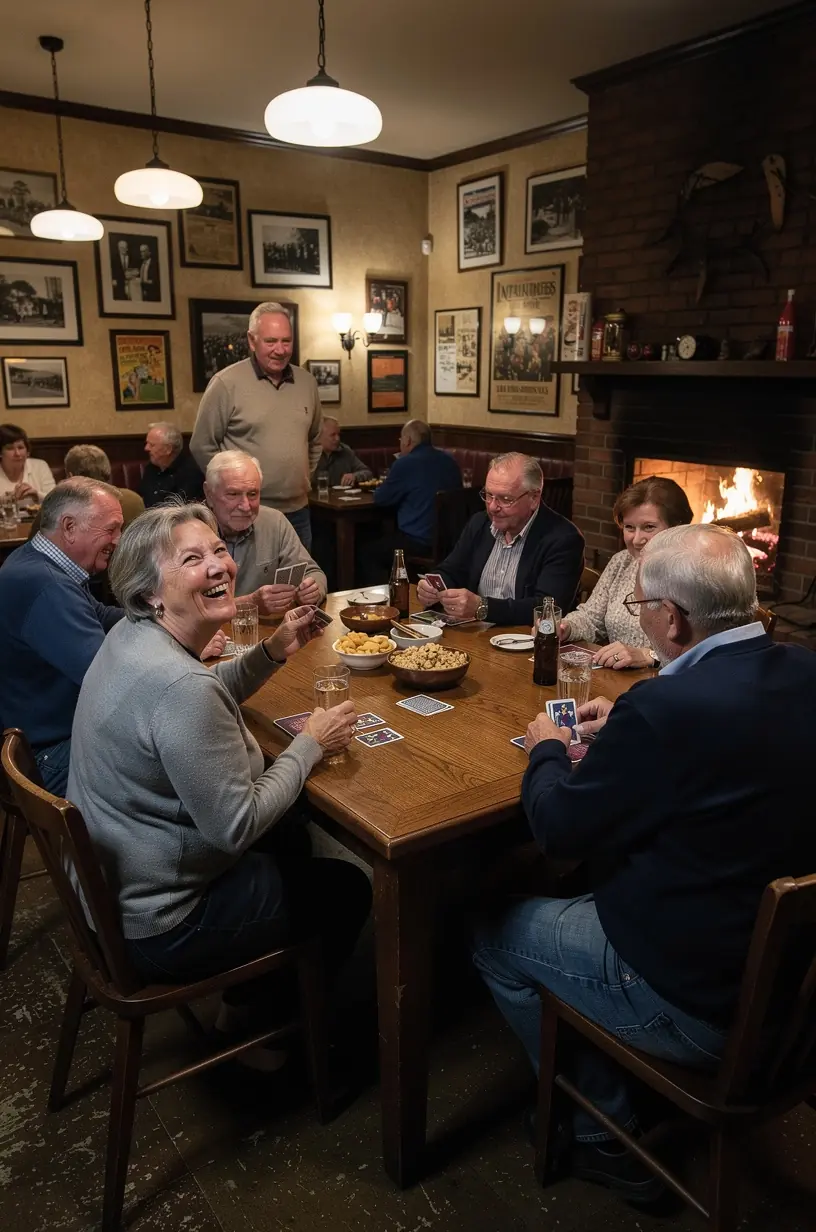
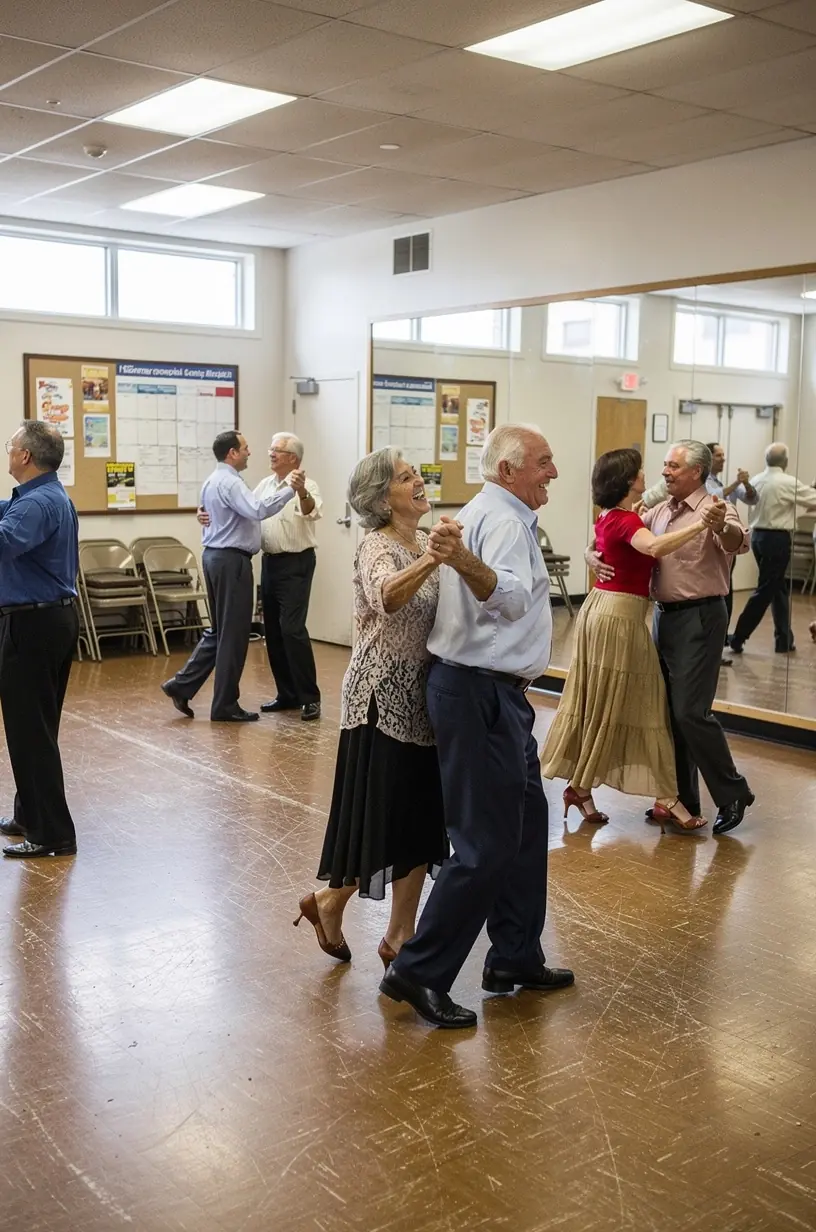
Volunteering often presents an opportunity to meet new people and develop meaningful relationships. Many volunteers find that participating in community service helps them create bonds with others who share similar interests and values. These social connections can be particularly beneficial for individuals aged 40-60, as they may be navigating life transitions such as retirement or children leaving home.
How Volunteering Fosters Social Bonds
- Collaborative Efforts: Working with others towards a common goal can create a sense of camaraderie.
- Shared Experiences: Engaging in significant projects often results in shared stories and experiences that deepen relationships.
- Community Involvement: Being involved in local events and initiatives helps you feel more connected to your community.
Developing New Skills
While volunteering, many individuals gain invaluable skills that can enhance both their personal and professional lives. A report by the VolunteerMatch indicates that volunteering can help individuals develop skills such as teamwork, leadership, and project management.
Skills Gained Through Volunteering
- Leadership: Many volunteer opportunities require individuals to lead teams or organize events, fostering leadership abilities.
- Communication: Engaging with different groups enhances verbal and written communication skills.
- Problem-Solving: Volunteers often face unique challenges that require creative solutions, enhancing problem-solving capabilities.
Time Commitment and Expectations
Typically, the time commitment required for volunteering can range from a few hours a month to a few hours a week, depending on the organization and type of service. It is essential to choose opportunities that fit your schedule and lifestyle, especially if balancing work and personal responsibilities.
Conclusion
Volunteering presents an effective way to enhance your life while positively impacting your community. By engaging in volunteer work, individuals not only contribute to society but also cultivate new friendships, develop valuable skills, and improve their overall well-being. As you consider getting involved, keep in mind that the benefits may be profound and enduring, often requiring only a modest time commitment.