Tips for Engaging Conversations at Social Gatherings
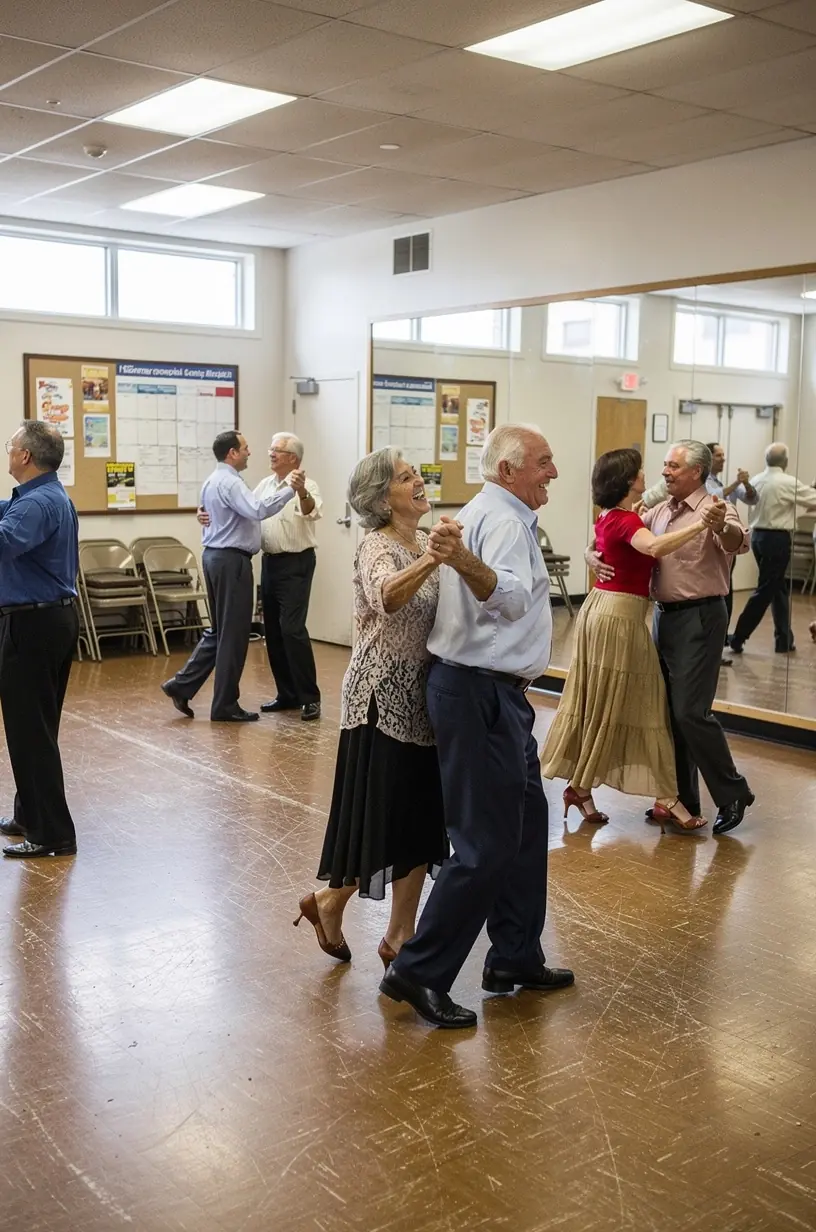
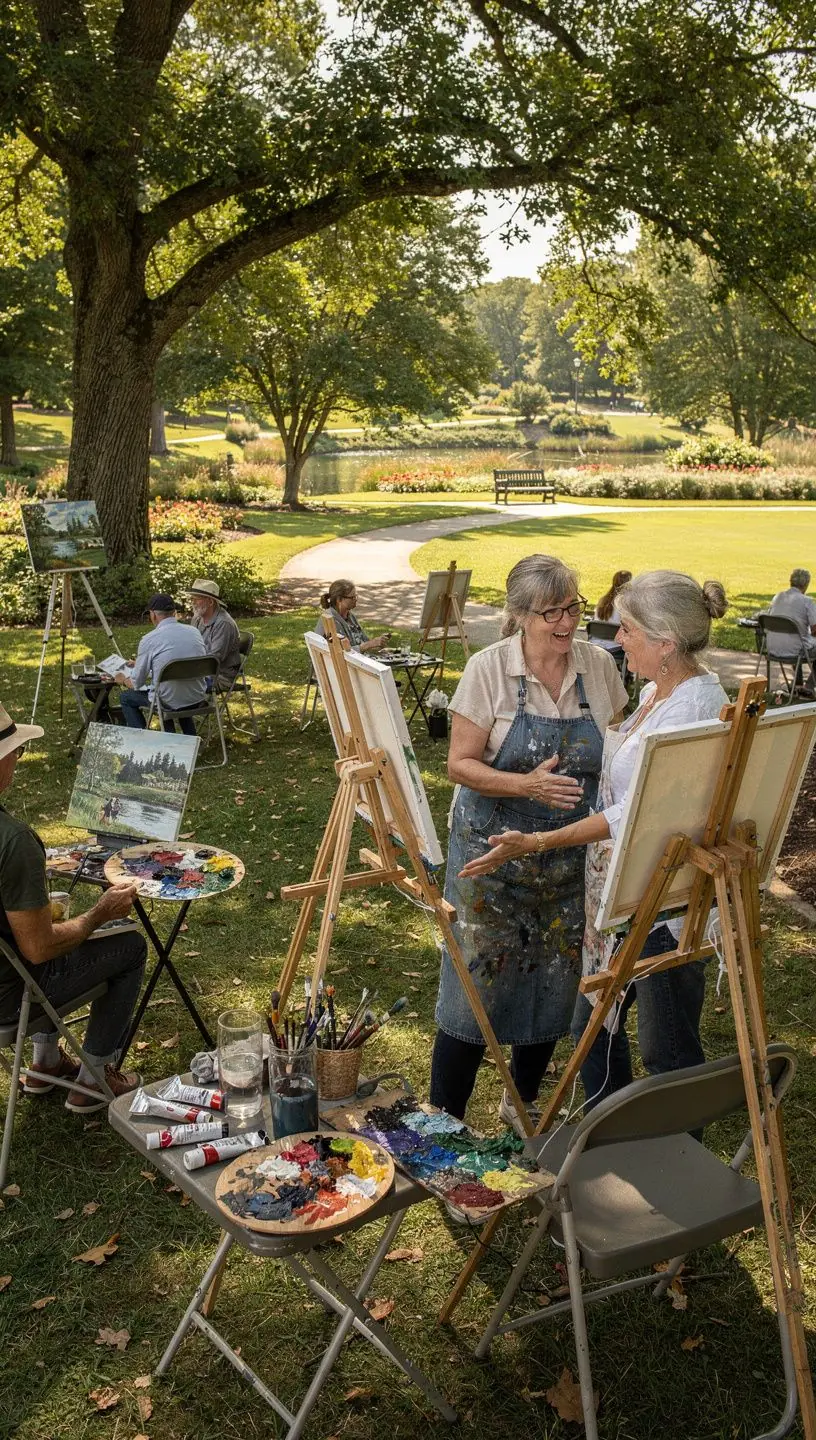
Social gatherings can be a wonderful opportunity to reconnect with friends and meet new people, especially for those aged 40-60. Engaging in meaningful conversations can enhance these experiences, promoting a sense of community and belonging. However, many people find it challenging to initiate and maintain captivating dialogues. Here are some tips to help you engage effectively in conversations at social events.
Understanding the Basics of Conversation
Effective conversations often hinge on a few key principles. According to research, active listening is one of the most vital skills in building rapport. This means not just hearing the words, but truly understanding the speaker's message. Experts recommend focusing on the following elements:

- Body Language: Non-verbal cues can often convey more than words. Maintaining eye contact and open posture promotes trust.
- Open-ended Questions: Questions that require more than yes or no answers can lead to deeper discussions. For instance, asking “What inspired you to get involved in that hobby?” encourages elaboration.
- Empathy: Expressing genuine interest in others' experiences fosters a stronger connection. Acknowledging their feelings can lead to a more engaging exchange.
"Listening is just as important as speaking in any conversation; it builds relationships and fosters understanding." - Communication Expert
Practical Application: Strategies for Success
Here are specific strategies to apply these principles effectively:
- Prepare Topics: Before attending a gathering, consider current events, local festivals, or shared interests that may serve as conversation starters. This can help ease any initial awkwardness.
- Practice Active Listening: Engage with your conversational partner by summarizing their points or asking follow-up questions. Studies show that this technique can significantly enhance the quality of the interaction.
- Be Mindful of Your Reactions: How you respond to what others say can influence their willingness to share. A supportive response—such as a nod or an affirming comment—can encourage more open dialogue.
Acknowledge Potential Limitations
While these strategies can typically enhance your conversational skills, remember that not every interaction will lead to a deep connection. Sometimes, external factors such as the social setting or the mood of the participants may not be conducive to engaging discussions. It’s important to remain patient and flexible, understanding that building rapport can take time.
Conclusion
Engaging conversations at social gatherings can often lead to enriching relationships and enjoyable interactions. By focusing on active listening, utilizing open-ended questions, and practicing empathy, you can create a positive environment for dialogue. Remember, it may take practice to hone these skills, but many users report feeling more confident and connected as they apply these techniques. Approach each gathering as a new opportunity to connect, and enjoy the journey of building community.