The Role of Community Centers in Local Culture
Community centers play a vital role in shaping and nurturing local culture, particularly for those in the 40-60 age demographic. These spaces not only offer a venue for various activities but also serve as a hub for social interaction, learning, and cultural exchange.
Understanding the Basics
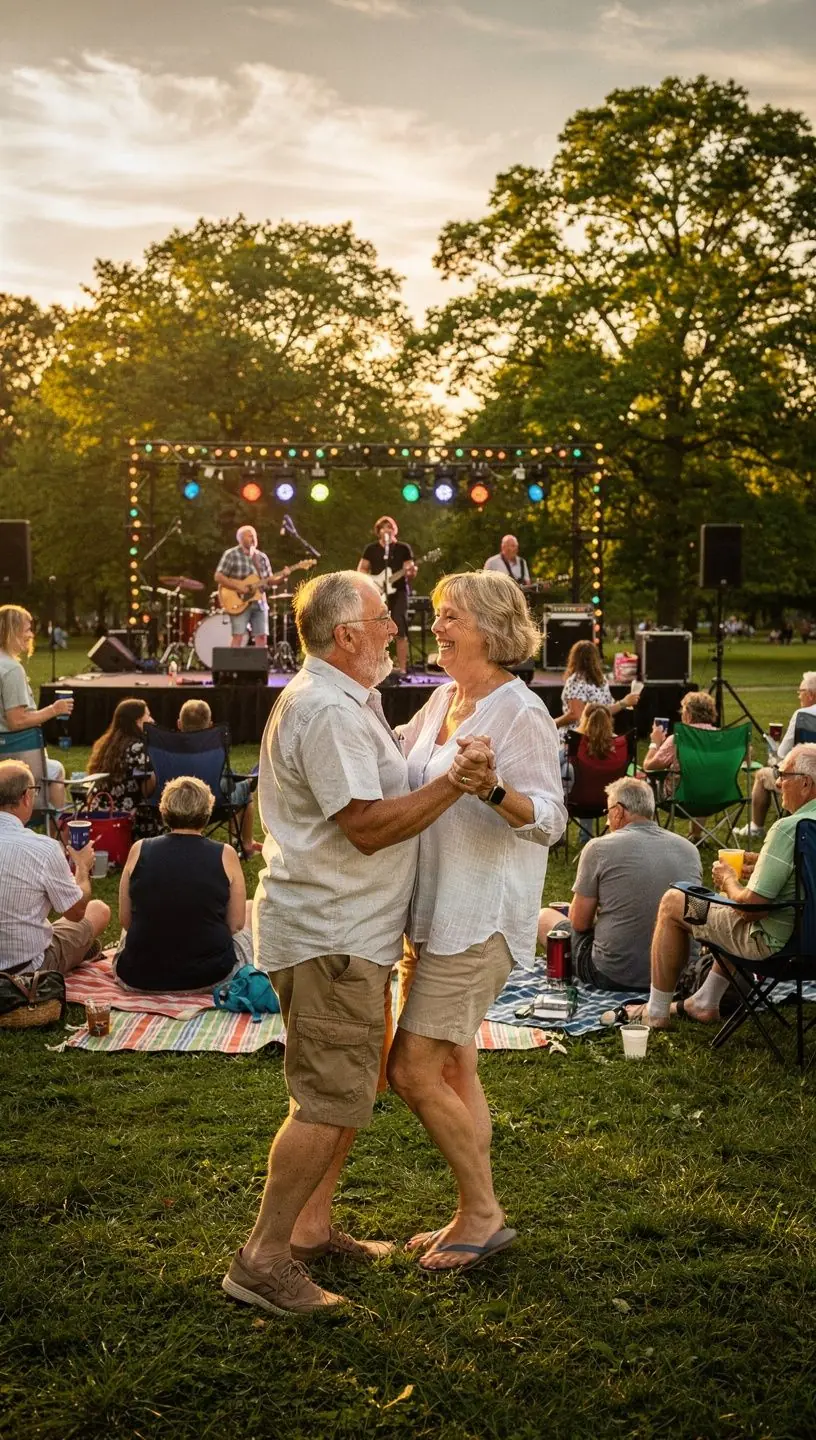
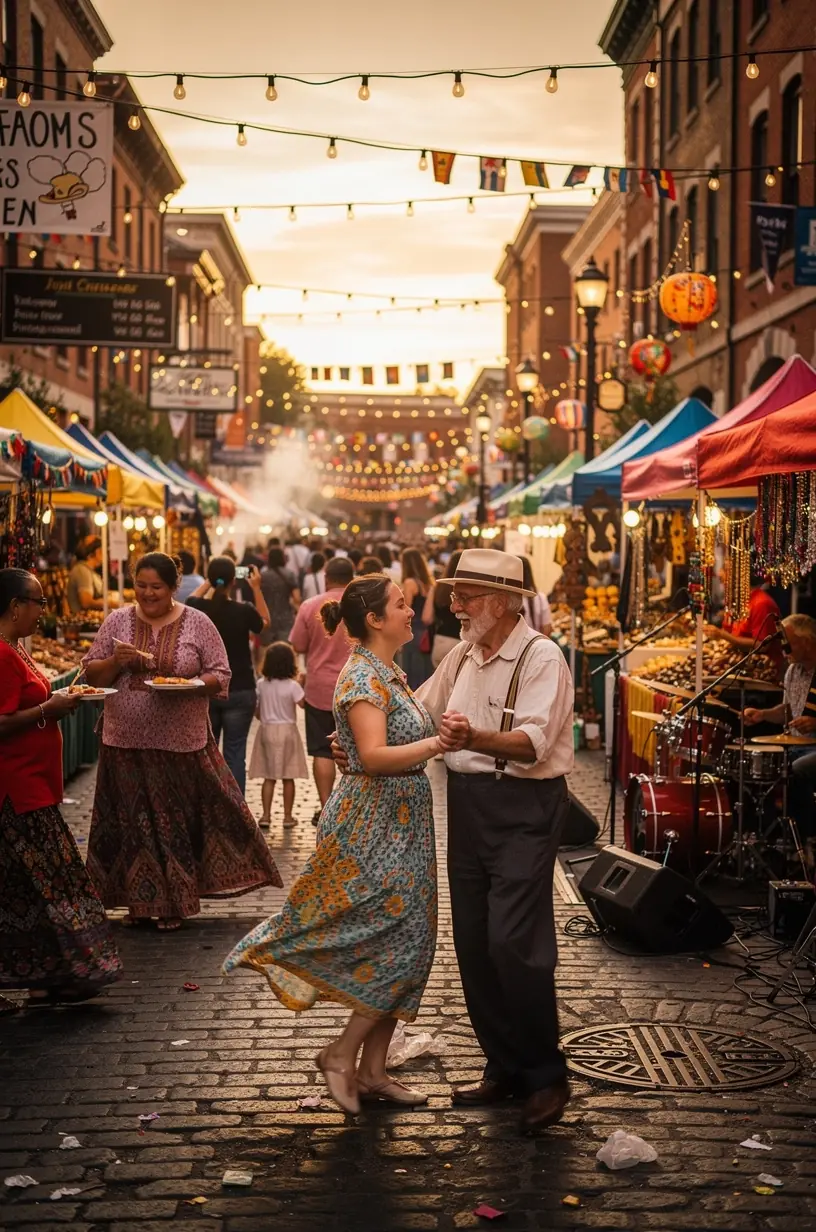
According to research, community centers can significantly enhance community engagement and cohesion. Many users report that these centers provide essential resources that facilitate cultural events, music evenings, and social clubs. The principle behind this is simple: community centers bring people together, fostering a sense of belonging and shared identity.
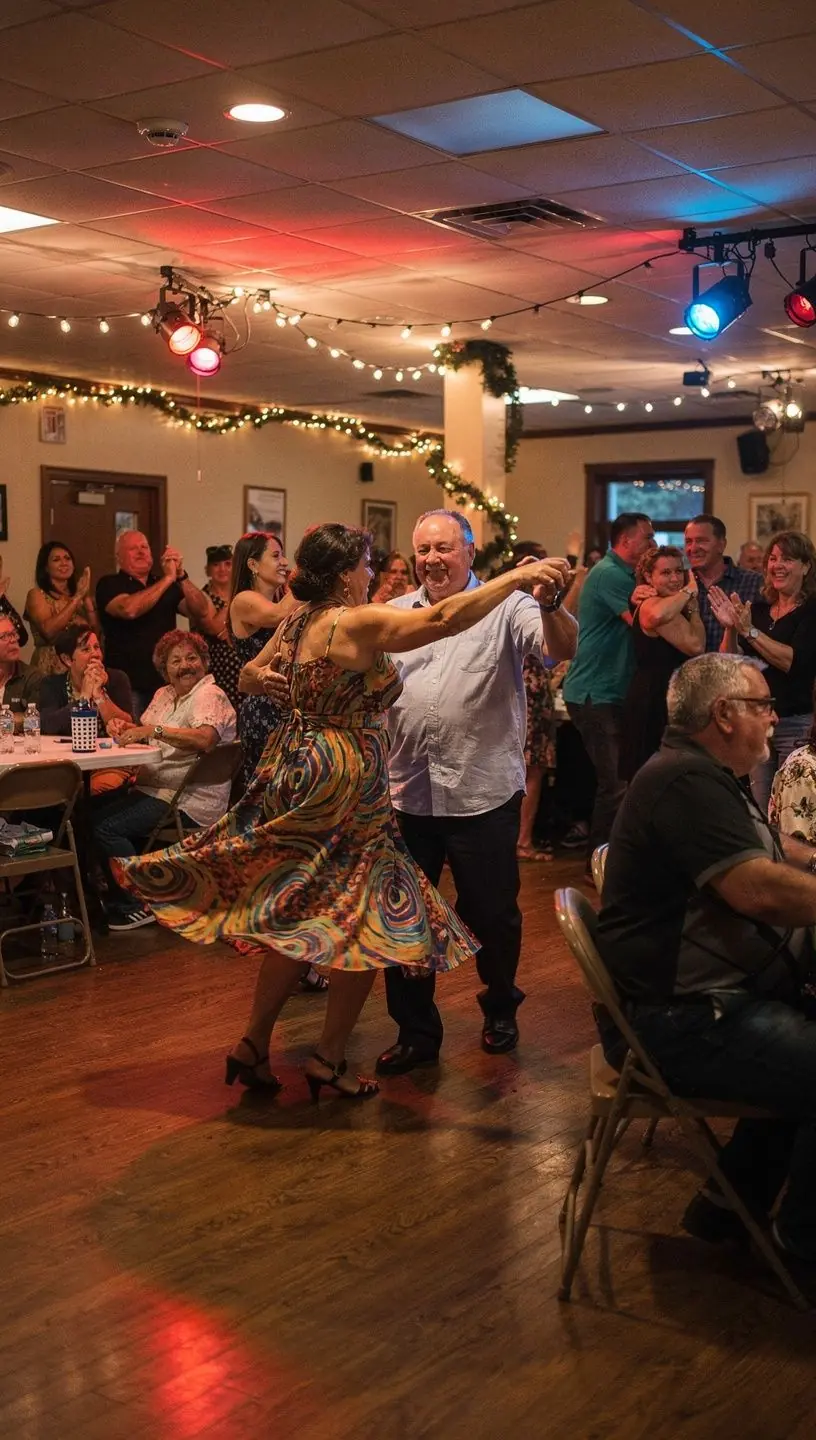
"Community centers are crucial for local culture as they promote interaction and collaboration among residents." - Community Development Expert
The Multifaceted Benefits of Community Centers
Community centers often offer a variety of programs that cater to diverse interests and demographics. Here are some key benefits:
- Social Connectivity: Experts recommend that community centers help strengthen social ties. They often host events that encourage residents to meet and interact, fostering friendships and support networks.
- Access to Cultural Events: Many community centers typically organize cultural events that highlight local talent. This can include art exhibitions, music performances, and workshops that engage participants in creative activities.
- Educational Opportunities: Community centers often provide classes and workshops that promote lifelong learning. Research indicates that adult education can contribute significantly to personal development and community cohesion.
How Community Centers Foster Local Culture
The process through which community centers foster local culture involves several key components:
- Programming: Most community centers develop their programming based on the needs and interests of the community. This often involves surveys or community meetings to identify what residents want to see.
- Partnerships: Successful community centers often collaborate with local artists, educators, and businesses. These partnerships help bring high-quality programs and resources to the community.
- Inclusivity: Effective community centers strive to be inclusive, making their programs accessible to everyone. This often means providing services in multiple languages and ensuring physical accessibility for all residents.
Challenges and Considerations
While community centers offer numerous benefits, they also face challenges. Funding is a common issue; many centers operate on tight budgets and rely heavily on grants and donations. Moreover, the commitment required to maintain these centers often involves significant time and effort from volunteers and local government.
In most cases, community initiatives can take time to establish strong connections. Typically, results appear within a few months as programs gain traction and community members begin to engage more fully.
Conclusion
Community centers are integral to enhancing local culture, providing spaces for social interaction, education, and cultural expression. By understanding their role and actively participating in community programs, residents can contribute to a vibrant local culture. Acknowledging the challenges they face, supporting these centers ensures they continue to thrive, fostering community spirit for generations to come.
Learn More