Understanding the Impact of Local Art on Communities
Local art has a profound effect on communities across the United States. This article explores how art influences social cohesion, cultural identity, and economic development in local settings, providing insights into its multifaceted benefits.
The Role of Art in Community Building
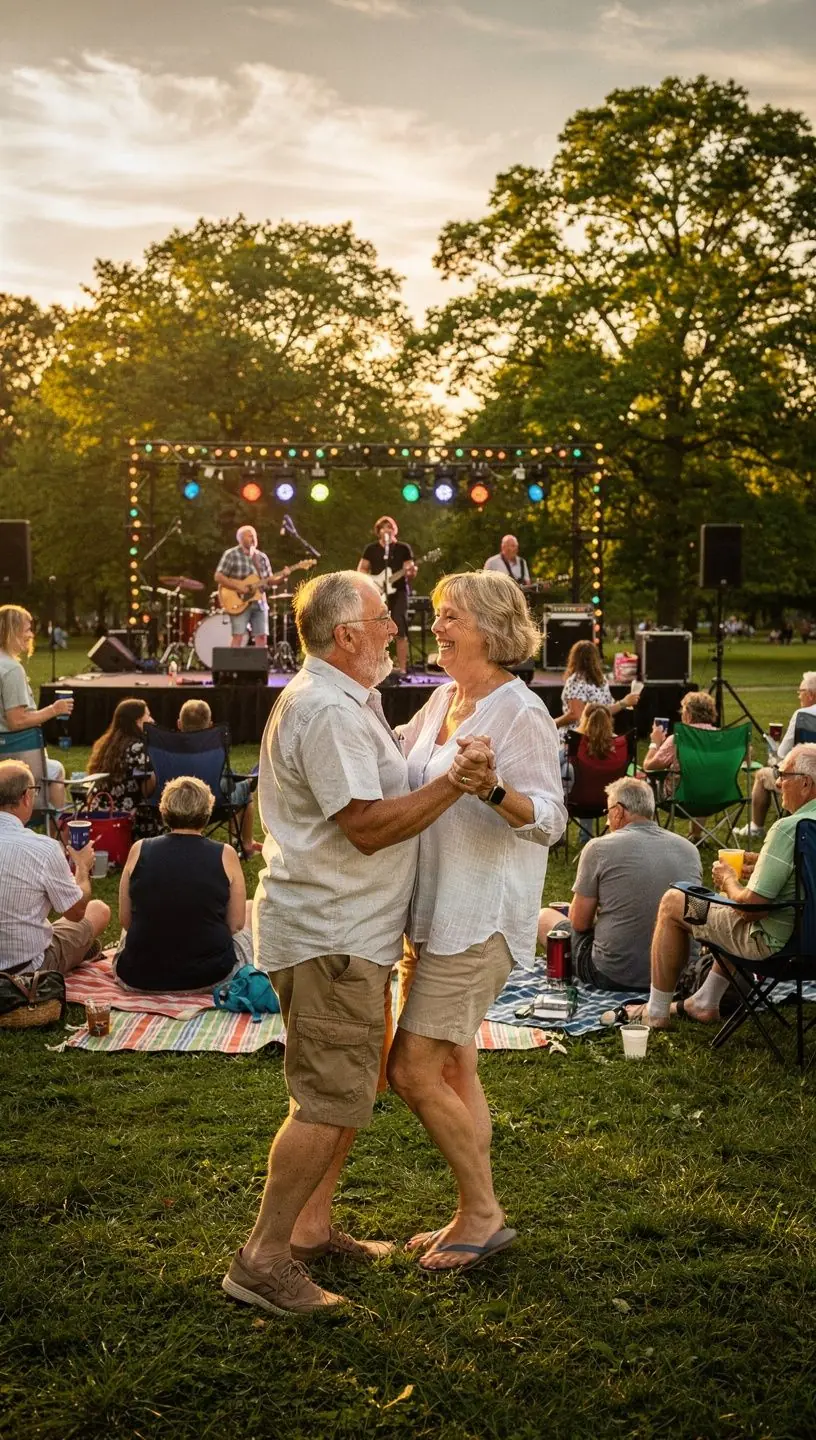
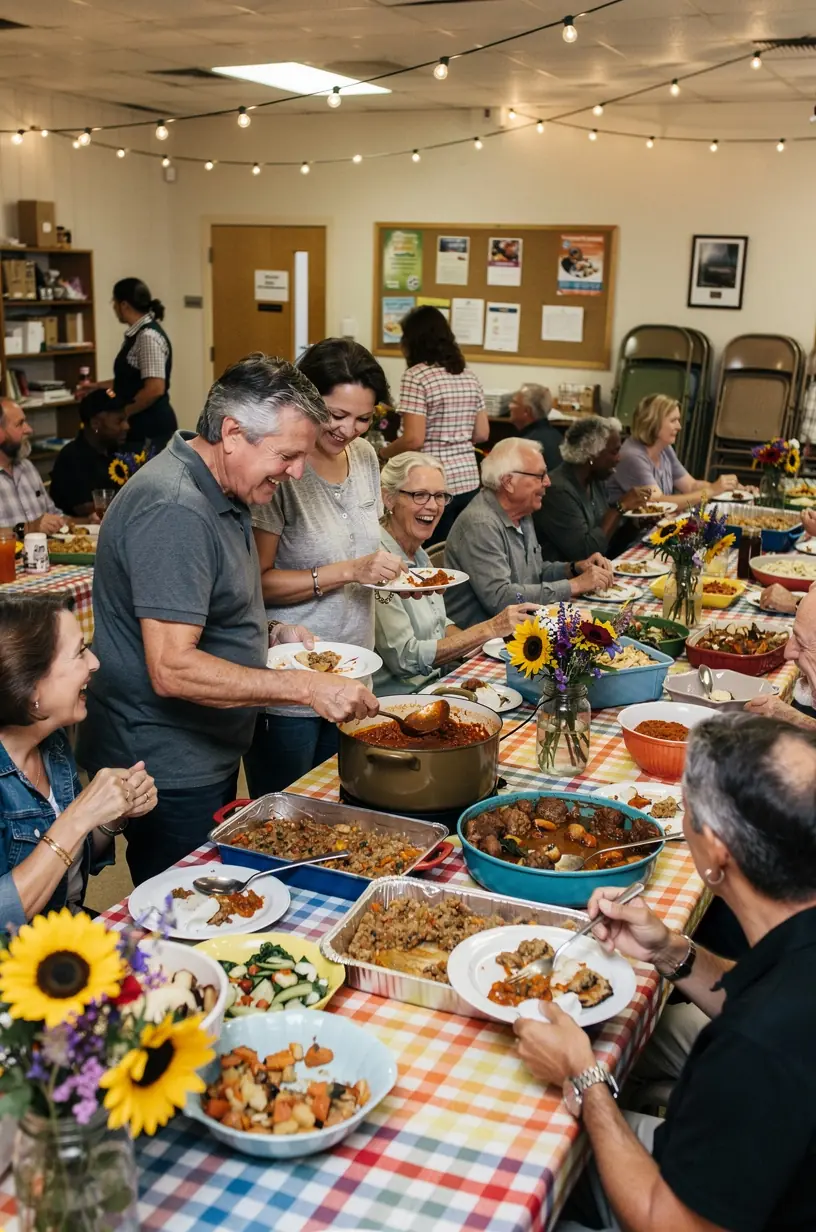
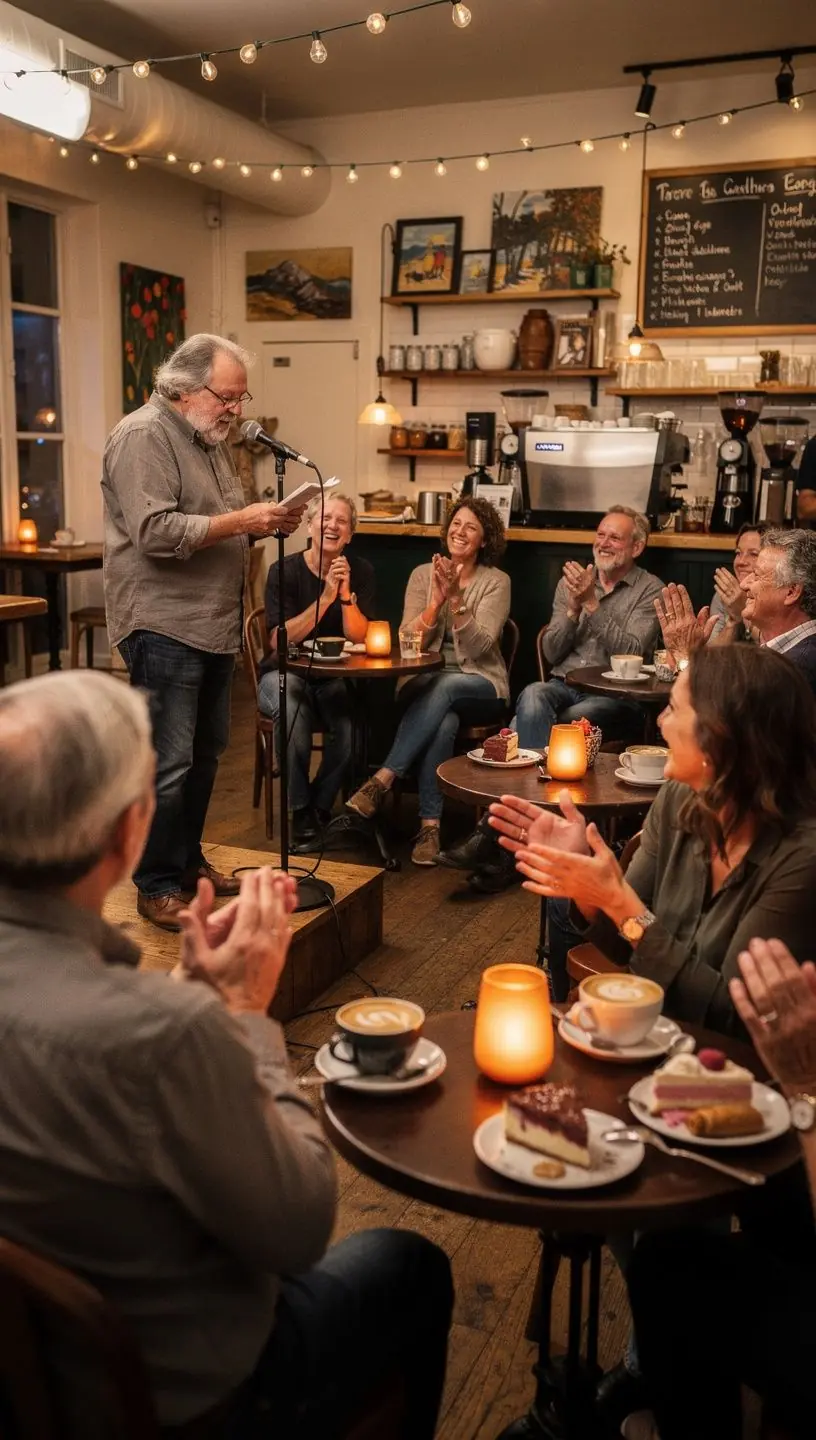
According to research conducted by the National Endowment for the Arts, community engagement in the arts can significantly enhance social bonds among residents. Art initiatives often create platforms for interaction, fostering relationships that might not develop otherwise. This works because shared experiences, such as attending local art exhibitions or participating in community art projects, often lead to a sense of belonging.
"Communities that engage with local art programs report a stronger sense of identity and cohesion."
Economic Benefits of Local Art
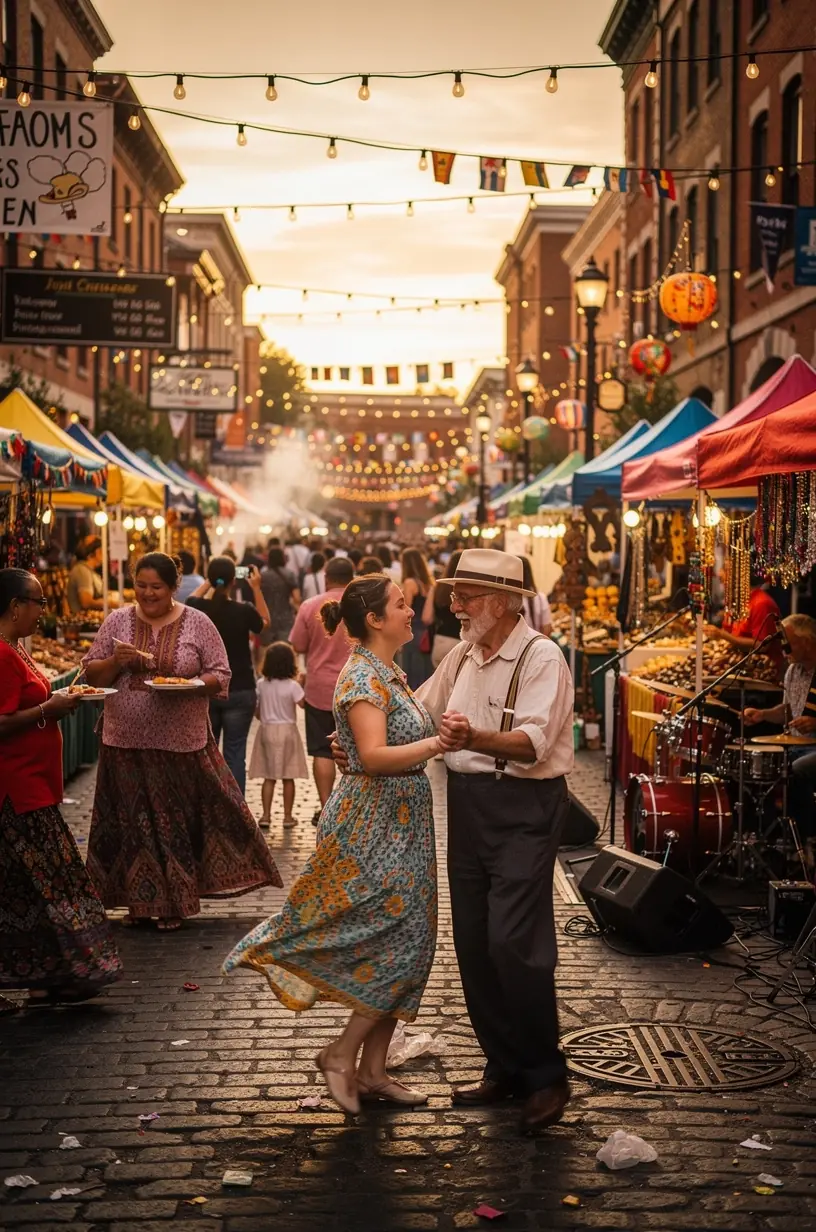
Studies show that investing in local art can lead to economic benefits. For example, communities with active art scenes often see increased tourism and local business revenues. Research indicates that local art events can generate income for surrounding businesses, with many participants often purchasing food, beverages, or crafts during these events. This can help sustain local economies, especially in areas where traditional industries may be declining.
Supporting Cultural Heritage
Art plays a critical role in preserving and promoting cultural heritage. Many local artists draw inspiration from their backgrounds, which they express through their work. This cultural representation not only enriches the community's narrative but also educates residents and visitors about its unique history. Experts recommend that communities invest in art programs that highlight local traditions, as they often promote understanding and appreciation among diverse populations.
Practical Steps for Communities
- Encourage local artists to showcase their work through community events. Such initiatives often take 3-6 months to organize but can lead to lasting community engagement.
- Develop partnerships with local schools and organizations to create art programs that involve residents of all ages. This can require ongoing commitment but enriches the community’s overall cultural fabric.
- Promote art as a vehicle for social change by supporting projects that address local issues. Many communities find that art can be a powerful tool for raising awareness and fostering dialogue.
Conclusion
Engaging with local art can significantly enhance community life in various ways. The findings discussed here highlight the importance of supporting local artists and cultural initiatives. By prioritizing community-driven art programs, residents can expect not only aesthetic enjoyment but also economic growth and strengthened social ties. Ultimately, investing time and resources into local art can enrich lives and foster a vibrant, cohesive community.